Chris Rapczynski
About Chris Rapczynski
With more than 30 years of experience in the construction industry, Chris Rapczynski has built a career defined by craftsmanship, innovation, and leadership. As the founder and president of Sleeping Dog Properties, he has transformed a small construction business into an award-winning general contracting firm known for delivering exceptional luxury residential, commercial, and hospitality projects.
Chris’s foundation in construction began in the field, where he worked as a carpenter and tradesman before moving into project leadership. His early years were spent renovating homes and commercial properties throughout Boston’s historic Back Bay, allowing him to develop a deep appreciation for quality workmanship, attention to detail, and the importance of building lasting client relationships. In 1993, he established Sleeping Dog Properties, drawing inspiration for the company’s name from his black Labrador, a constant companion on many early job sites.
Throughout his career, Chris Rapczynski has led the successful completion of more than $500 million in construction projects, earning the trust of homeowners, architects, designers, and business owners alike. He has cultivated a company culture focused on collaboration, accountability, and continuous improvement while embracing new technologies and modern construction practices that elevate project execution. His leadership is guided by the belief that outstanding results come from combining technical expertise with clear communication and an unwavering commitment to excellence.
Away from the office and construction sites, Chris enjoys an active lifestyle centered around family and the outdoors. He is a devoted husband and father of three who values time spent coaching soccer, running, boating, and attending classic and performance car shows. His lifelong appreciation for dogs remains an important part of his life, and he and his family are proud owners of two Portuguese Water Dogs.
Chris Rapczynski Highlights Why Communication Is One of the Most Important Tools in Construction
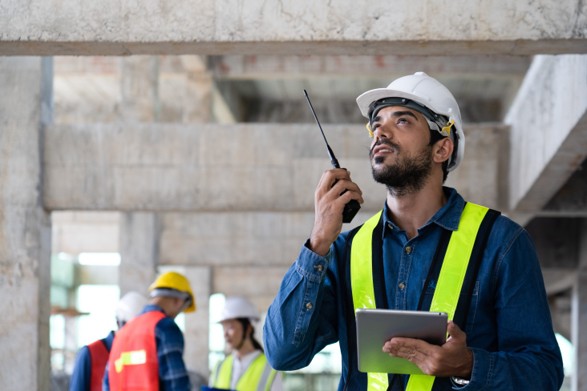
When people think about the tools required to complete a successful construction project, they often picture heavy equipment, power tools, or specialized machinery. While these resources are certainly essential, one of the most valuable tools on any job site cannot be found in a toolbox. It is communication.
Whether constructing a custom home, renovating a commercial property, or completing a large-scale hospitality project, communication serves as the foundation that keeps every aspect of a project moving in the right direction. Construction projects involve dozens, and sometimes hundreds, of individuals working toward a shared goal. Owners, architects, engineers, project managers, general contractors, subcontractors, suppliers, and inspectors must all coordinate their efforts while navigating schedules, budgets, regulations, and changing conditions.
Without clear communication, Chris Rapczynski explains that even the most carefully designed project can encounter delays, misunderstandings, unnecessary expenses, and frustration. Conversely, projects built on strong communication are more likely to stay organized, adapt to challenges effectively, and produce results that satisfy everyone involved.
Construction Is a Team Effort
No construction project is completed by a single individual. Every successful build represents the combined efforts of numerous professionals, each bringing unique expertise to the process.
Owners establish the vision and goals for the project. Architects translate those ideas into functional designs. Engineers ensure structural integrity and technical compliance. Contractors coordinate execution, while subcontractors specialize in areas such as electrical, plumbing, HVAC, roofing, and finishes.
Because every phase depends on the work completed before it, communication becomes the thread connecting every participant. For example, if an architect modifies a floor plan but that information does not quickly reach the framing crew, construction may continue based on outdated drawings. Correcting the mistake afterward can require demolition, additional labor, material replacement, and schedule adjustments. Chris Rapczynski understands that a simple conversation, or lack thereof, can significantly affect both cost and timing.
Preventing Costly Mistakes
One of the greatest benefits of effective communication is preventing errors before they occur. Construction projects involve thousands of individual decisions. Material selections, dimensions, equipment locations, finish schedules, installation methods, delivery dates, and inspection requirements all require careful coordination.
When information is incomplete or misunderstood, Chris Rapczynski emphasizes that small issues can quickly grow into expensive problems.
Examples include:
- Incorrect materials being ordered
- Trades working from outdated plans
- Scheduling conflicts between subcontractors
- Misunderstood design details
- Delayed inspections
- Missed permit requirements
- Improper installations requiring rework
Many of these situations are avoidable when project teams communicate regularly and verify important details before work begins.
Rather than assuming everyone has the latest information, successful teams create systems that ensure everyone is working from the same set of plans, schedules, and expectations.
Setting Clear Expectations Early
Strong communication begins long before construction starts. The pre-construction phase provides an opportunity to establish project goals, define responsibilities, review budgets, discuss timelines, and identify potential challenges. When expectations are discussed early, there is less opportunity for confusion later.
Owners benefit from understanding exactly what is included in the project scope. Contractors can explain the construction process, anticipated milestones, and potential variables that may affect scheduling. Architects and engineers can clarify design intent and answer technical questions before work begins. Chris Rapczynski understands that these early conversations help everyone begin the project with realistic expectations and a shared understanding of success.
Keeping Everyone Working From the Same Plan
Construction projects are dynamic. Designs evolve, field conditions change, products become unavailable, and client preferences occasionally shift during the course of construction. The challenge is not that changes occur; it is ensuring everyone is informed when they do.
Modern construction relies on timely communication to distribute updated drawings, revised specifications, schedule adjustments, and approved changes to every member of the project team.
Without this coordination, different crews may unknowingly work from different versions of the same project. Consistent communication minimizes confusion and helps maintain quality throughout construction.
Communication Improves Scheduling
Timing is everything on a construction site. Every trade depends on another to complete work before the next phase can begin. Electricians cannot finish until framing reaches the appropriate stage. Drywall crews must wait until inspections are complete. Flooring installation often follows painting and finish carpentry. When communication between trades is poor, valuable time can be lost.
Crews may arrive before an area is ready, creating unnecessary downtime. Materials may be delivered before adequate storage is available. Equipment may remain unused while teams wait for preceding work to finish. Frequent scheduling meetings and daily coordination help ensure each phase progresses efficiently and reduce costly interruptions.
Building Trust With Clients
Construction projects often represent significant financial and emotional investments.
For homeowners, it may be the realization of a lifelong dream. For businesses, it may involve expanding operations, improving customer experiences, or creating new opportunities for growth.
Throughout the process, clients want more than technical expertise; they want confidence. Regular updates, honest conversations, and transparency help build trust between contractors and owners.
Even when unexpected challenges arise, clients generally respond more positively when they understand the situation, know what options are available, and receive clear explanations about the next steps. Silence often creates unnecessary uncertainty, while proactive communication reinforces confidence and professionalism.
Collaboration Leads to Better Solutions
Construction is filled with problem-solving opportunities. Unexpected site conditions, weather delays, supply chain disruptions, permit revisions, and unforeseen structural issues are all common realities. Projects succeed not because problems never occur, but because experienced teams work together to solve them efficiently.
Open communication encourages collaboration. Architects can adjust designs when necessary. Engineers can recommend structural alternatives. Contractors can suggest practical construction methods. Owners can make informed decisions based on accurate information. Chris Rapczynski explains that when everyone communicates openly, solutions tend to emerge more quickly and with fewer disruptions.
Technology Has Enhanced Communication
Today’s construction industry has access to communication tools that previous generations could only imagine. Project management software allows teams to track schedules, share documents, submit requests for information (RFIs), manage change orders, and monitor project progress in real time. Cloud-based drawing platforms ensure crews access the latest plans from virtually anywhere.
Video conferencing allows owners, architects, and contractors to meet without being physically present on-site.
Digital photography documents progress, while drones provide aerial project updates and site inspections. Although technology has improved information sharing dramatically, successful communication still depends on people using these tools consistently and effectively. Technology supports communication; it does not replace it.
Documentation Matters
Verbal conversations are valuable, but documenting important decisions provides clarity and accountability. Written meeting notes, approved change orders, updated schedules, inspection reports, and email confirmations create a reliable record that everyone can reference later.
Documentation reduces misunderstandings and helps resolve questions that may arise during construction. Chris Rapczynski understands that clear records also improve project continuity if personnel change or additional stakeholders become involved. In construction, good documentation is simply another form of effective communication.
Creating a Positive Job Site Culture
Communication influences more than project outcomes; it shapes workplace culture. Teams that communicate respectfully tend to experience better collaboration, higher morale, and greater accountability. Workers who feel comfortable asking questions are less likely to make assumptions that result in mistakes.
Likewise, project managers who actively listen often identify concerns before they become larger issues. Respectful communication also strengthens relationships among contractors, subcontractors, suppliers, and clients, creating partnerships that extend well beyond a single project.
Listening Is Just as Important as Speaking
Effective communication is not limited to giving instructions. Listening plays an equally important role.
Chris Rapczynski explains that experienced construction professionals recognize that valuable insights often come from every level of a project team. A subcontractor may identify a more efficient installation method. A superintendent may notice a scheduling conflict before it affects multiple trades. A client may express concerns that can be addressed early with a simple adjustment.
Encouraging open dialogue creates opportunities to improve both project quality and client satisfaction. The best communicators ask questions, seek clarification, and remain receptive to feedback throughout every phase of construction.
Communication Is an Investment in Success
Construction projects are built with concrete, steel, lumber, glass, and countless other materials, but successful projects are held together by something less visible: communication. Every conversation, meeting, progress update, and documented decision contributes to a more organized, efficient, and collaborative construction process. Clear communication helps align expectations, prevent costly mistakes, strengthen professional relationships, and keep projects moving toward successful completion.
Chris Rapczynski emphasizes that as construction projects continue to grow in complexity, the importance of communication will only increase. While technology will continue to enhance coordination, the most successful projects will always rely on people who communicate clearly, listen carefully, and work together toward a common goal. In the end, one of the most powerful tools on any construction site is not found in a toolbox; it is the ability to communicate effectively.